

Your Affordable, Personalized Liposuction Options in Little Rock
Liposuction removes localized fat deposits to reshape body contours, and liposuction cost in Little Rock varies significantly by treated area, technique, and individual patient needs. This guide explains how surgeons and facilities calculate pricing, what influences the final estimate, and practical steps to plan financially and medically for body contouring. You will learn average regional price ranges, how costs change by body area and method (including VASER and tumescent approaches), what fee components to expect, financing options commonly used by patients, and a clear recovery timeline. The article also outlines candidacy criteria so you can determine whether liposuction is appropriate for your goals and how to prepare for a consultation. Throughout, we use price-range examples, EAV tables, and actionable lists to make comparisons easy and to help you ask the right questions at your visit.
What Are the Average Liposuction Prices in Little Rock, Arkansas?
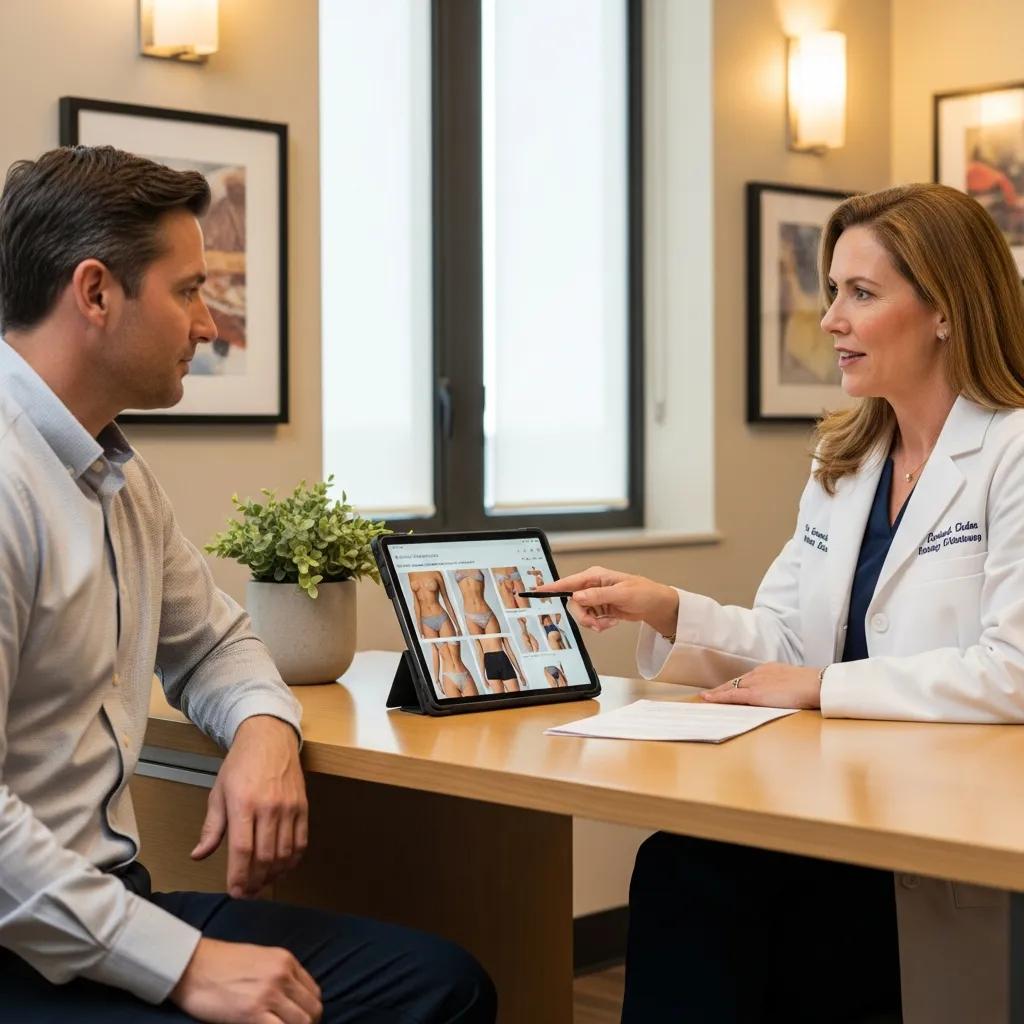
Liposuction prices in Little Rock reflect the scope of treatment, surgical technique, and facility setting; typical single-area procedures often range from lower four-figure totals to low five-figure totals depending on complexity. Costs are driven by surgeon fee, anesthesia, facility accreditation, and any adjunct procedures that increase operative time. Understanding typical price bands by area helps set expectations before scheduling a consultation and informs decisions about combining areas in one operation. Below we compare common treatment sites and illustrate sample single-area versus multi-area cost scenarios to clarify how estimates aggregate.
Understanding the broader economic principles behind cosmetic surgery pricing, including the increasing transparency in reported costs, can further help patients navigate their financial planning.
Factors Influencing Cosmetic Surgery Prices & Transparency
Cosmetic surgery is a large portion of practice revenue for many plastic surgeons, and therefore understanding the economic principles of pricing is critical. Although national averages provide a starting point for price determination, they may not reflect specific economic factors. Over the last decade, publicly reported pricing for cosmetic surgery has increased in prevalence, improving price transparency for patients and surgeons alike.
The price is right? An economic analysis of factors influencing cosmetic surgery prices, PJ Wirth, 2023
How Do Prices Vary by Body Area Treated?
Different body areas require varying operative time and technical access, which changes the cost profile for liposuction procedures. Smaller, superficial regions such as the chin or neck commonly fall at the lower end of price ranges because they use less anesthesia time and smaller cannulas, while larger areas like the abdomen or thighs typically require more extensive liposuction and thus higher fees. Scar placement, contouring complexity, and whether adjunct techniques are used (for example, fat grafting or cellulite treatment) also affect price. Consider this when comparing quotes: treating two moderate areas in the same session is usually less expensive than two separate surgeries because facility and anesthesia fees overlap, offering better overall value.
Introductory table: quick price ranges by treated area for scannability and comparison.
| Body area treated | Typical total cost range |
|---|---|
| Chin / submental | $1,500 — $4,000 |
| Arms | $2,000 — $6,000 |
| Abdomen (single area) | $3,000 — $7,500 |
| Thighs (inner or outer) | $3,500 — $8,000 |
| Multi-area (2–3 areas) | $6,000 — $14,000 |
This table highlights relative ranges so patients can compare likely costs across common target areas and prepare budget questions for their consultation.
What Is the Typical Price Range for VASER and Tumescent Liposuction?
Tumescent liposuction is a widely used technique that combines local infiltration fluid, small cannulas, and careful aspiration to reduce bleeding and speed recovery, and its pricing generally aligns with standard liposuction bands since it is often performed under local or light sedation. VASER liposuction (an ultrasonic-assisted method) typically adds technology and operative time, which can increase the procedure cost by several hundred to a few thousand dollars compared with standard tumescent techniques. VASER is often recommended for advanced sculpting, fibrous areas, or when skin retraction is a priority, and the added cost reflects device use and specialized training. When evaluating quotes, ask whether VASER or other energy-assisted methods are included in the estimate and how that aligns with your contouring goals.
Which Key Factors Influence Liposuction Cost in Little Rock?
Several consistent factors compose the total price for liposuction and help explain why estimates vary between providers and patients. Surgeon experience and board certification, anesthesia type (local with sedation versus general), and the procedure setting (ASC versus hospital) are primary drivers that affect both safety and cost. Patient-specific variables—number of areas, volume of fat removed, skin quality, and any medical comorbidities—change operative complexity and therefore the fee structure. Below is a clear breakdown of the common fee components so you can see how each contributes to the total estimate.
How Do Surgeon, Anesthesia, and Facility Fees Affect Total Cost?
Surgeon fee covers the clinical planning, technical execution, and follow-up care, and more experienced or highly specialized surgeons typically command higher fees commensurate with outcomes and safety. Anesthesia fees depend on whether a board-certified anesthesiologist is used and on the anesthesia type; general anesthesia and monitored anesthesia care raise costs compared with local tumescent-only approaches. Facility fees reflect the cost of accredited operating rooms, nursing staff, and perioperative equipment; accredited ambulatory surgical centers often balance safety and cost-effectiveness better than hospital settings for elective aesthetic procedures. Reviewing an example split helps patients understand where their dollars go and why a lower initial quote may omit important safety or follow-up components.
| Fee component | Typical contributor | Example USD range |
|---|---|---|
| Surgeon’s fee | Experience, specialization | $2,000 — $7,500 |
| Anesthesia fee | Type and anesthesiologist | $500 — $1,800 |
| Facility fee | ASC vs hospital, staffing | $600 — $2,500 |
| Supplies & meds | Compression garments, meds | $100 — $500 |
This EAV-style table clarifies that total cost is an aggregate of multiple legitimate expenses rather than a single line item, helping patients compare estimates transparently.
List: Key patient variables that affect price
- Number of treatment areas — More areas increase operative time and total cost.
- Volume of fat removed — Larger-volume cases require longer anesthesia and higher fees.
- Skin elasticity and need for adjunct procedures — Tummy tuck or excisions add significant cost.
- Medical history and pre-op testing — Medical clearance or lab work can add modest fees.
Reviewing these variables with your provider enables a personalized cost estimate tied to both safety and aesthetic outcome priorities.
What Role Do Combination Procedures and Post-Operative Garments Play in Pricing?
Combining procedures—such as pairing liposuction with a breast procedure or an abdominoplasty—alters the cost calculus by adding operative time, potential overnight stays, and extended recovery oversight, yet it can also create efficiency when coordinated in a single operative plan. Post-operative necessities like compression garments, prescription pain management, and follow-up visits are smaller line items but are essential to optimize outcomes and comfort; patients should budget for these ancillary costs when planning. Insurance typically does not cover elective cosmetic add-ons, so combining procedures requires careful financial planning, sometimes making financing or payment plans advisable. Working with a surgeon to define which combination options truly enhance final results helps avoid unnecessary expense.
What Financing Options Are Available for Liposuction in Little Rock?

Many patients use third-party financing or in-office payment plans to spread the cost of liposuction over time, making procedures more accessible while preserving savings for other needs. Options commonly discussed in the market include promotional, short-term 0% interest plans, longer-term installment loans with variable APRs, and practice-offered monthly payment plans. Understanding how deposits, promotional periods, and late fees work helps patients select the financing pathway that minimizes cost and aligns with their budget. Below we explain how flexible plans work and compare commonly used financing programs so you can evaluate affordability scenarios for typical price points.
How Do Flexible Payment Plans Work for Liposuction?
Flexible payment plans typically require an initial deposit to reserve the surgical date, followed by monthly payments over an agreed term; promotional plans may offer interest-free periods that require full payment before the promotion ends to avoid retroactive interest. Patients usually apply and receive near-instant credit decisions for medical financing, and selected plans allow deferred payments or low-interest long-term options when spread over several years. As an example, a $6,000 mid-range liposuction case could be covered by a 12-month interest-free promo (resulting in $500/month) or a 36-month plan with interest leading to a lower monthly payment but higher total interest. Comparing the total cost of financing options is as important as comparing APRs, because promotional lapses can create unexpected balances.
- Deposit and scheduling: A deposit holds the date and may be non-refundable; verify refund terms.
- Promotional terms: Interest-free offers require timely payoff to avoid deferred interest.
- Long-term installments: Longer terms lower monthly payments but increase total interest paid.
These steps help patients match financing structure to personal cash flow and timeline for surgery.
What Are CareCredit and Alphaeon Credit Financing Programs?
CareCredit and Alphaeon Credit are commonly accepted medical financing programs that specialize in elective procedures and often provide promotional offers to qualified applicants. CareCredit frequently offers short-term 0% interest promotions and variable-term loans that can cover cosmetic surgery costs; Alphaeon Credit similarly focuses on aesthetic medicine financing with tailored promotional programs in participating practices. Eligibility for either program depends on creditworthiness, and recipients should compare promotional durations, deferred interest policies, and monthly payment calculations before committing. Many practices in Little Rock accept these options, and asking a clinic’s patient coordinator about the available programs can simplify the application process.
| Financing option | Typical APR/payment terms | Example monthly payment (for $6,000) |
|---|---|---|
| CareCredit (promo) | 0% for 6–12 months (promo) | $500/month (12-month promo) |
| Alphaeon Credit | Promotional terms vary | $200–$350/month (extended terms) |
| Practice payment plan | Fixed monthly installments | $150–$600/month depending on term |
This table illustrates typical payment scenarios so patients can visualize monthly obligations and choose financing aligned with their budget and timeline.
What Should Patients Expect During the Liposuction Procedure and Recovery?
Understanding the procedural steps and a realistic recovery timeline reduces anxiety and supports better outcomes by preparing patients for immediate and longer-term expectations. The process includes preoperative evaluation, intraoperative technique selection (tumescent vs VASER, anesthesia type), and post-operative care with compression and follow-up visits. Recovery milestones typically move from initial swelling and limited activity to gradual return to normal activities over weeks, with final contour maturation over months. Below we walk through the typical patient pathway with practical aftercare items and approximate timing to help you plan support, time off, and recovery supplies.
What Is the Liposuction Process with Dr. Edward J. Love, MD?
Patients who consult with a board-certified plastic surgeon begin with a comprehensive evaluation that defines target areas, reviews medical history, and sets realistic goals; this assessment informs whether liposuction alone or a combined approach is recommended. On the day of surgery, the chosen anesthesia is administered, tumescent fluid may be infiltrated for hemostasis and comfort, and the selected cannulas or adjunct devices are used to sculpt tissue safely. Post-operatively, patients receive compression garments, instructions for wound care, and a schedule for follow-up visits to monitor healing and manage any concerns. For an individualized estimate and personalized treatment plan with a local, board-certified surgeon, patients can request a consultation with Dr. Edward J. Love, MD to discuss technique options, expected costs, and the pathway to recovery.
What Is the Typical Recovery Timeline and Aftercare in Arkansas?
Immediate recovery after liposuction often includes bruising, swelling, and soreness for the first 48–72 hours, during which pain management and limited ambulation are important to reduce risk of complications and promote circulation. By week one most patients can perform light activities and attend follow-up visits, while more vigorous exercise is usually delayed until 4–6 weeks based on surgical extent and surgeon guidance. Swelling can persist for several months, with contour refinement commonly visible between three and six months after surgery; final results may continue to improve as tissues settle. Essential aftercare items include compression garments, short-term medications, and scheduled follow-up appointments to ensure optimal healing and outcome longevity.
- Immediate (0–3 days): Rest, limited movement, pain control, garment in place.
- Week 1: Light walking, first post-op visit, gradual increase in activity.
- Weeks 2–4: Reduced bruising, return to many daily tasks, avoid heavy lifting.
- 3–6 months: Ongoing reduction in swelling and maturation of final contour.
This staged timeline enables realistic activity planning and highlights the importance of following post-op instructions for the best aesthetic and safety outcomes.
Am I a Good Candidate for Liposuction in Little Rock?
Ideal candidates for liposuction have localized fat deposits resistant to diet and exercise, are near their target weight, have good skin elasticity, and maintain realistic expectations about outcomes. Medical conditions such as uncontrolled diabetes, bleeding disorders, or poor wound healing may contraindicate elective liposuction; a thorough preoperative evaluation screens for these factors and guides safe patient selection. Smoking cessation, weight stabilization, and optimization of medical health improve candidacy and reduce complication risk. Use the checklist below to self-assess before scheduling a consultation so you and your surgeon can determine the safest, most effective treatment plan.
What Are the Ideal Criteria for Liposuction Candidates?
A clear checklist helps prospective patients understand candidacy requirements and the rationale behind each item. Good candidates typically are within 20% of their ideal body weight, have firm skin with adequate elasticity, and expect contour improvement rather than dramatic weight loss. Non-smokers or those willing to stop smoking before and after surgery show lower complication rates, and patients with realistic expectations about scarring, contour asymmetry, and the healing process report higher satisfaction. Preoperative medical clearance, including assessment of cardiovascular and metabolic health, ensures that the chosen plan aligns with patient safety.
Checklist for candidacy:
- Near-ideal weight with stable body weight.
- Localized fat pockets resistant to diet/exercise.
- Good skin elasticity or willingness to accept adjunct procedures.
- Medical clearance and non-smoking status for safer surgery.
These criteria guide a productive consultation and reduce the likelihood that a different procedure would be recommended for superior outcomes.
How Can I Schedule a Personalized Consultation with Dr. Love?
Scheduling a consultation begins with contacting the practice to request an appointment; during the visit you can expect a focused evaluation of your anatomy, discussion of goals, and review of technique options and likely costs. The consultation typically includes photographic documentation, measurement of target areas, and a discussion of anesthesia choices, expected recovery, and potential risks. After the assessment, the surgeon provides a personalized estimate and a proposed operative plan, which may include options for financing or combining procedures. Patients who want a tailored assessment and clear pricing in Little Rock can arrange a consultation with Dr. Edward J. Love, MD to receive an individualized plan and next steps for booking surgery.
What Are the Most Frequently Asked Questions About Liposuction Cost and Procedure?
Answering common questions in a concise format helps patients find quick clarity on cost, coverage, risks, and longevity of results. Short, authoritative responses reduce uncertainty and prepare patients for deeper conversation during a clinical consultation. The following Q&A addresses the top concerns prospective liposuction patients raise when considering treatment in Little Rock.
How Much Does Liposuction Cost in Little Rock?
Liposuction in Little Rock commonly ranges from low four figures for small, simple areas to low five figures for multi-area or combined procedures; typical single-area ranges are shown earlier in the cost table. Exact pricing depends on surgeon fee, anesthesia, facility, and complexity; therefore, individualized quotes after examination provide the most accurate estimate. Patients should request an itemized estimate to compare surgeon, facility, and anesthesia components across providers. Scheduling a consultation is the recommended next step to obtain a personalized price aligned with your aesthetic goals.
Is Liposuction Covered by Insurance?
Liposuction is generally considered a cosmetic procedure and therefore is not covered by standard health insurance plans, except in rare medical circumstances where fat removal addresses a documented medical problem. When medical necessity exists—such as certain reconstructive indications—coverage may be possible but requires preauthorization and documentation. Most elective cosmetic liposuction patients plan to self-pay or use financing options discussed above. Always verify coverage assumptions with your insurer and bring any relevant documentation to your consultation.
What Are the Risks and Benefits of Liposuction?
Liposuction offers lasting fat reduction in treated areas, improved body contour, and the potential for higher self-confidence when patient expectations align with likely outcomes; benefits are greatest when performed by qualified surgeons in accredited settings. Risks include infection, contour irregularities, asymmetry, seroma, and anesthesia-related complications; proper patient selection, surgical technique, and post-op care reduce these risks substantially. Board-certified surgeons follow evidence-based protocols to mitigate complications and provide informed consent that clearly explains individualized risk profiles. Choosing an experienced, credentialed surgeon and following pre- and post-op instructions are the most effective ways to maximize benefits and minimize risks.
- Benefits: Localized, often permanent reduction of fat cells in targeted areas.
- Common risks: Swelling, bruising, temporary numbness, contour asymmetry.
- Risk mitigation: Pre-op screening, accredited facilities, and postoperative care.
These points clarify the trade-offs so patients can weigh aesthetic goals against procedural risks.
How Long Do Liposuction Results Last?
Liposuction removes fat cells from treated areas, and those removed cells do not return; however, remaining fat can enlarge with weight gain, and aging changes in skin tone and volume can alter long-term appearance. Maintaining stable weight through diet and exercise preserves results, while natural aging processes may require touch-up procedures for sustained contour refinement. Most patients observe durable improvement when they commit to a healthy lifestyle, and realistic expectations about the effects of aging and weight change improve long-term satisfaction. Discuss long-range maintenance with your surgeon to create a plan that aligns with your goals.
- Permanent fat reduction: Removed fat cells are gone, but remaining fat may enlarge.
- Lifestyle dependency: Weight management is critical for lasting results.
- Aging effects: Skin laxity and volume changes can affect long-term contour.
These guidelines help patients plan for durable results and realistic maintenance expectations.